I wrote an essay in high-school about my mental health. I later revised it for a class freshman year of college. Here it is.
The Light switch
In high school, I wrote an essay for my AP Literature class in which I titled “The Light switch”. The essay was mainly focused around my mental health struggles which I believe would be fitting for this narrative. For writing purposes and the context of this essay, I’m going to keep the same title. The excerpt reads as follows:
“When I was young I would sit on the floor and stare at my lightswitch. I used to stare at it until I convinced myself of what I saw. That it was, in fact, turned off. I would leave my room and in a matter of minutes I would come back and stare at the lightswitch again. Turn it on. Turn it off. This sequence of events would happen five times, five times of reassurance. I knew it was turned off, but my brain managed to convince itself to make sure each and every time that it was.”
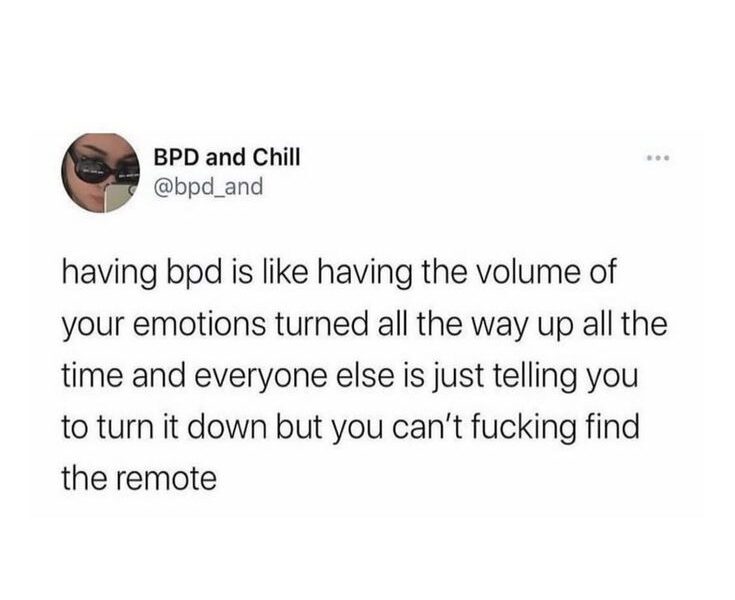
I was portraying symptoms of Obsessive Compulsive Disorder, which can be described as having uncontrollable and recurring negative thoughts that can follow with urging repetitive behaviors. At the time, I did not understand what OCD was, or that these habits were not experienced by other people, or the fact that other people struggled with this on a much larger scale than I was experiencing. My experience with this does not take away from others, or vice versa. Mental health is a spectrum, a spectrum that proves we can all relate to something on a different scale.
“My biggest question is, when did I stop checking? When did OCD tendencies simply fade away instead of developing into a long-term disorder? I think about this experience a lot, being my first memory of struggling with mental health issues.”
I continued to struggle with mental health after my OCD tendencies faded away. In fact, I believe I projected these tendencies onto other aspects of my life. For example, I started hyper fixating on my grades. It was a form of obsession: get the highest grade, be the best in the class, push your gpa, your class rank, go, go, go. My obsession could be seen as a healthy coping mechanism, but my anxiety levels were really burning me out. On top of this, I struggled with depression. I didn’t have the motivation to pursue activities I enjoyed doing. When I wasn’t at school, I spent my days laying in bed aimlessly scrolling through my phone as the hours ticked by. So much time was wasted then. Showering became a chore instead of a form of self care. My eating habits were unhealthy to say the least. They say high school is where you spend the best years of your life, but anxiety and depression had marked my high school years to be one of the worst times of my life.
It wasn’t until my junior year of highschool that I finally felt understood. Taking AP Psychology was a life changing decision that I will forever be grateful for. I began to understand the reasoning for why I felt the way I did, and that I wasn’t alone. Learning and understanding the structure of the human brain made me value mine much more. I stopped viewing my struggles as something negative and degrading, but as something that can challenge me to be a better person. I believe this essay perfectly describes the kind of narrative I wanted to write, mental health has always been a defining aspect in my life. I was able to overcome these struggles through highschool and continue to do so in college.
The excerpt continues: “Sigmund Freud’s words have changed how I feel about these issues: “Out of your vulnerabilities will come your strength.” I’ve had a share of fights with my brain, but these moments of weakness have created something more. With my experiences and observations, I have come to one conclusion: everyone has a lightswitch. Everyone struggles regarding mental health, but these can also be one’s greatest strengths. My greatest strengths are depression and anxiety. With stigma surrounding disorders, people wouldn’t consider these as strengths. So why do I?”
I continue to struggle with anxiety and depression even after highschool, but regardless of my disorders, I am able to continue to be successful. Instead of blocking out the fact that I have a mental disorder, I have embraced it. I am aware of my struggles and I no longer allow them to make me feel smaller, but rather larger. Even at my lowest point, I pushed myself to apply to colleges, to plan for my future, to keep going. I prioritized saving money. I started planning my move in. And I never let my impulsive thoughts stop me from going to class. Day by day, I grow and excel, and I think that’s beautiful.
College has allowed me to mentally evolve in completely different ways, but with the same internal battles. The pressure of being a full time student while working 20-30 hours a week in order to afford a well-rounded education has definitely taken a toll on my mental health. Trying to find healthy habits and a routine, while also struggling to find friends who understand me on a deeper level, has given me the opportunity to take time to further understand myself and what helps me grow both physically and mentally. When life begins to feel like too much and I genuinely feel like giving up, I remember all the times I didn’t. After all the tears, the breakdowns, the long nights wanting for everything to stop; I still made it to where I am. I take a step back to look at all that I would’ve missed if I had given up, and I find myself forever in my own debt for saving myself by finding the courage to keep the light on.
It is important to continue to push on and make the best out of one’s vulnerabilities. Without these struggles, I wouldn’t be who I am today, I wouldn’t be as strong, and I wouldn’t be able to take on the tasks that once faced me as challenges. So thank you Esttie, for never giving up.
I’ll leave the light switch on this time.
Sources
Cabral, Estrella. “The Lightswitch.” 2021